If you are trying to schedule your infant for a tongue tie consultation, please call our office so we can accommodate you ASAP.
West U Pediatric Dentistry · Houston, TX

Pediatric Airway & Sleep Screening in Houston

Does my child need an airway evaluation?

If you've noticed your child mouth breathing, snoring, or sleeping restlessly, you may be wondering whether it's worth having evaluated or whether it's just a phase.

At West U Pediatric Dentistry, we help answer that question with airway and sleep screening using the FAIREST-6 assessment, incorporated into our comprehensive pediatric dental exams to identify whether a closer look at your child's airway is warranted.

Healthy breathing. Healthy growth.

Whole Child Pediatric Dentistry

At West U Pediatric Dentistry, we believe healthy breathing is foundational to healthy growth. The way a child breathes, especially during sleep, can influence facial development, behavior, focus, and overall wellness.

As part of our comprehensive pediatric dental exams, we screen for early signs of airway and sleep related concerns using an evidence informed approach known as the FAIREST-6 Assessment Tool.

This page focuses on the screening question: whether further evaluation is warranted. If findings point toward jaw, palate, or growth-related concerns, our Airway Orthodontics page covers the treatment approaches we use.

Screening is a starting point, not a diagnosis.

A pediatric airway evaluation identifies risk factors associated with sleep-disordered breathing that may warrant further evaluation. It does not diagnose a sleep disorder, and it isn't a treatment plan.

What you notice at home matters

Signs your child may need
an airway evaluation.

Sleep disordered breathing in children is often overlooked because symptoms can appear subtle. Snoring, mouth breathing, restless sleep, difficulty focusing, and daytime fatigue may all be connected to airway concerns.

Breathing

Mouth Breathing

Chronic mouth breathing, whether during sleep, during the day, or both, is one of the signs we screen for. Persistent mouth breathing may be related to restricted nasal airflow or an established breathing pattern, and can be associated with changes in oral posture and development.

Sound

Snoring

Occasional snoring during a cold is different from snoring that happens regularly when your child is otherwise well. Let us know if snoring sounds effortful or comes with gasping or pauses in breathing, and discuss these symptoms with your child's pediatrician.

Sleep

Restless Sleep

Frequent tossing and turning, unusual sleep positions, or repeated awakenings can be worth discussing even when total hours in bed look normal. Restless sleep alongside mouth breathing or snoring is a pattern worth bringing to our attention.

Oral Posture

Where a child's tongue and lips rest when they aren't eating, drinking, or talking is part of what our exam evaluates. Lips that rest apart, chin muscle strain when closing the lips, or limited tongue mobility are findings we consider alongside breathing and sleep history.

Jaw and Palate Development

Our screening also looks at palate shape and dental development. A narrow-looking palate or dental crowding may prompt a closer conversation about growth, oral function, and whether an orthodontic evaluation would be helpful.

Tell us how often symptoms happen, whether they occur outside of illness, and what you have noticed during both the day and night. You do not need to wait for a screening finding to start the conversation.

Understanding the FAIREST-6 assessment

The Six Red Flags We Evaluate

The FAIREST-6 Assessment for Sleep Disordered Breathing is based on six red flag exam findings that may indicate a child is at risk for sleep disordered breathing, often abbreviated as SDB.

FAIREST stands for Functional Airway Evaluation Screening Tool. This screening tool helps pediatric dentists identify children who may benefit from further evaluation. For families in Houston and the surrounding communities, early screening can provide valuable insight into your child's overall health and development.

The tool was developed through peer-reviewed research in children with mixed dentition. Additional published research, including a 2025 cross-sectional study of 1,800 children, has explored associations between FAIREST-6 findings and sleep-related breathing concerns. See the research references below.

01 / 06

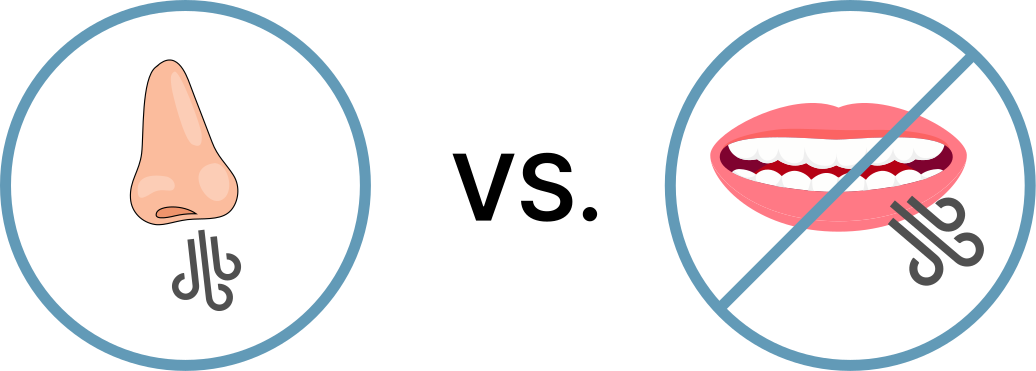
Nasal Breathing

What we're checking

Can your child breathe comfortably through their nose for several minutes at a time?

Chronic mouth breathing in children can affect sleep quality and facial growth.

02 / 06

Mentalis Strain

What we're checking

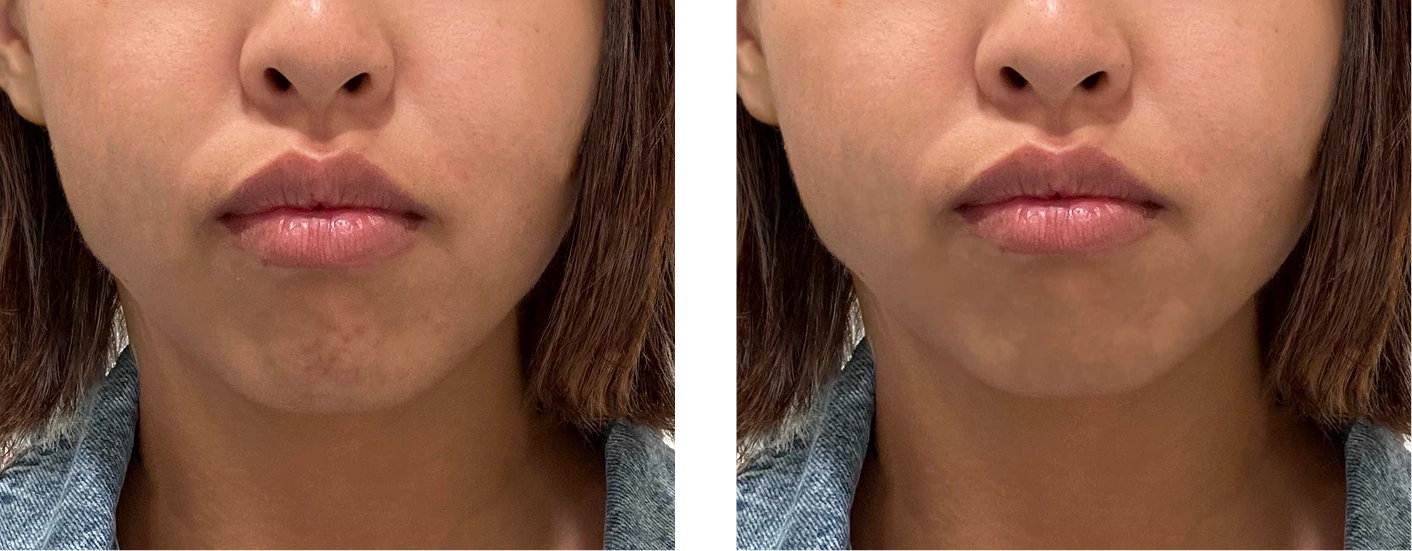
Does your child need to strain the muscles of the chin to keep their lips closed?

Lip incompetence may signal muscle imbalance or airway concerns.

03 / 06

Tonsil Size

What we're checking

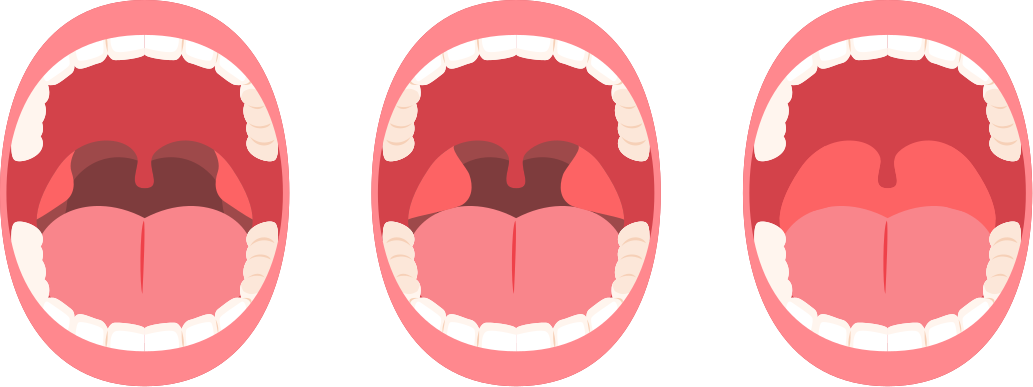
Are the tonsils enlarged relative to the airway space?

Enlarged tonsils can reduce space in the upper airway and create resistance to healthy breathing.

04 / 06

Tongue Restriction

What we're checking

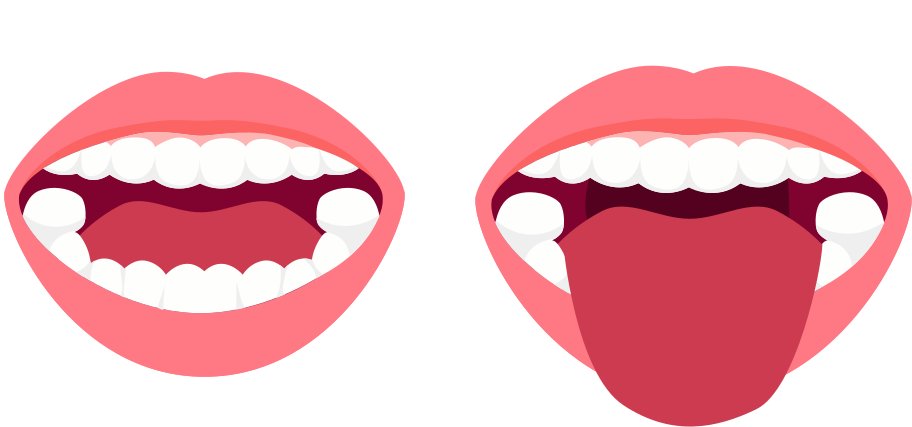
Is tongue mobility limited, such as by a tongue-tie?

A tongue tie or limited tongue mobility can affect how the tongue moves and rests. We evaluate this finding in the context of your child's oral function.

05 / 06

Grinding or Bruxism

What we're checking

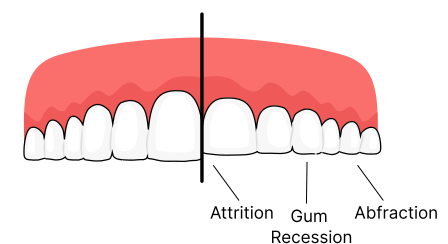
Is there visible dental wear consistent with clenching or grinding?

Clenching or grinding may be associated with muscular tension or the body's response to airway resistance during sleep.

06 / 06

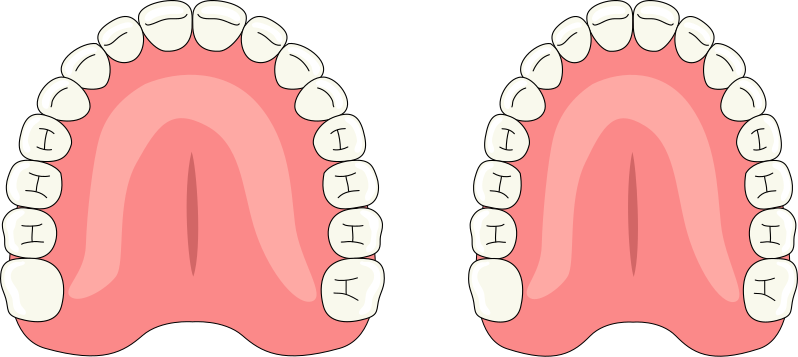
Narrow Palate

What we're checking

Is the palate high or narrow rather than broad and flat?

A high or narrow palate may affect the space available for the tongue and is one of the oral findings we consider during screening.

The presence of a red flag doesn't automatically mean a problem.

The presence of one or more red flags does not automatically mean your child has a sleep disorder. It simply tells us that a closer look may be helpful. Screening identifies risk; it does not confirm a diagnosis or establish the need for treatment.

Thoughtful guidance, based on your child

What happens after screening?

If appropriate, we may recommend collaboration with your pediatrician, an ENT specialist, in-house myofunctional therapy, orthodontic growth guidance, or a sleep study when indicated.

Next steps depend on your child's symptoms and the specific findings from their exam. Screening helps determine which path, if any, makes sense for your child.

Jaw & Palate Development

Findings related to jaw growth or palate width may lead to a conversation about an airway-focused orthodontic evaluation. Our Airway Orthodontics page explains growth guidance and treatment approaches.

Tonsils & Nasal Breathing

Findings related to enlarged tonsils or difficulty breathing through the nose may prompt a referral to an ENT specialist for further evaluation.

Tongue Mobility & Oral Function

Limited tongue mobility or concerns about oral muscle function may lead to additional evaluation or a referral for in-house myofunctional therapy. Our Tongue Tie page covers evaluation and treatment for tongue restriction.

Sleep-Related Concerns

Symptoms or exam findings suggesting a possible sleep disorder may lead to coordination with your pediatrician or a sleep specialist and, when indicated, a medically directed sleep study.

Our goal is early identification and thoughtful guidance, helping families understand the findings and make informed decisions about further care.

Parent questions

A little more clarity.

Understanding what screening can tell you, and what it can't, makes the next step easier.

What is a pediatric airway evaluation?

A pediatric airway evaluation is a clinical assessment that identifies risk factors associated with sleep-disordered breathing in children. At West U Pediatric Dentistry, airway and sleep screening using FAIREST-6 is incorporated into our comprehensive pediatric dental exams.

Does airway screening diagnose sleep apnea?

No. Airway screening identifies findings that may warrant further evaluation. One or two red flags do not mean your child has sleep apnea. Diagnosis is made through medical evaluation, with a sleep study when indicated.

How is screening different from airway orthodontics?

Screening helps identify whether further evaluation may be useful. Airway orthodontics addresses appropriate jaw, palate, or growth-related findings after evaluation. Visit our Airway Orthodontics page to learn about treatment approaches.

Is FAIREST-6 supported by published research?

Yes. FAIREST-6 was developed in peer-reviewed research involving children in mixed dentition. Additional studies have explored associations between its findings and sleep-related breathing concerns. It is a screening tool, not a standalone diagnostic test for sleep apnea.

What age is the FAIREST-6 assessment designed for?

The published research focuses on children in the mixed dentition period, generally ages 6 to 12, when both primary and permanent teeth are present. That research age range does not mean younger children should wait to discuss snoring, mouth breathing, or other concerns with their healthcare providers.

Do you offer in-house myofunctional therapy?

Yes. West U Pediatric Dentistry offers in-house myofunctional therapy. When findings related to oral muscle function or tongue posture suggest it may be helpful, our team can discuss whether an evaluation is appropriate for your child.

What should I tell the dentist about my child's sleep?

Share observations such as snoring, mouth breathing, restless sleep, or teeth grinding. Tell us how often they occur and whether you notice gasping or pauses in breathing. Discuss breathing pauses or gasping with your child's pediatrician rather than waiting for the next routine dental visit.

Whole child pediatric dentistry

Let's Start With What You've Noticed.

At West U Pediatric Dentistry, we are committed to looking beyond the teeth. By incorporating FAIREST-6 screening into routine exams, we support healthy breathing, healthy sleep, and healthy development for children in Houston and nearby communities.

If you have noticed snoring, mouth breathing, restless sleep, or teeth grinding, we encourage you to share that with our team at your next visit. We are here to guide you with clarity, compassion, and a whole child approach to care.

Schedule Your Child's Exam Or call (832) 767-2227

4130 Bellaire Blvd, Suite 214
Houston, TX 77025
Serving West University and surrounding Houston communities.

Research & References

  1. Oh JS, Zaghi S, Peterson C, Law CS, Silva D, Yoon AJ. Determinants of Sleep-Disordered Breathing During the Mixed Dentition: Development of a Functional Airway Evaluation Screening Tool (FAIREST-6). Pediatric Dentistry. 2021;43(4):262–272.
  2. Prevalence of Sleep-related Breathing Disorders in Children and Its Correlation with Oral Health Status Using FAIREST-6: Cross-sectional Study. International Journal of Clinical Pediatric Dentistry. 2025.
  3. American Academy of Pediatric Dentistry. Policy on Obstructive Sleep Apnea.