If you are trying to schedule your infant for a tongue tie consultation, please call our office so we can accommodate you ASAP.

Airway & Sleep Screening

Understanding the FairEST6 Assessment for Children

At West U Pediatric Dentistry, we believe healthy breathing is foundational to healthy growth. The way a child breathes, especially during sleep, can influence facial development, behavior, focus, and overall wellness.

As part of our comprehensive pediatric dental exams, we screen for early signs of airway and sleep related concerns using an evidence informed approach known as the FairEST6 Assessment Tool.

Lower levels of carbon dioxide in the body because of mouth-breathing causes smooth muscle spasms and is associated with gastric reflux, asthma, and bedwetting.

What Is the FairEST6 Assessment

The FairEST6 Assessment for Sleep Disordered Breathing is based on six red flag exam findings that may indicate a child is at risk for sleep disordered breathing, often abbreviated as SDB.

FairEST stands for The Six Red Flags Exam Findings for Pediatric Sleep Disordered Breathing. This screening tool helps pediatric dentists identify children who may benefit from further evaluation. For families in Houston and the surrounding communities, early screening can provide valuable insight into your child’s overall health and development.

The Six Red Flags We Evaluate

During your child’s visit, we look for the following signs:

Nasal breathing icon

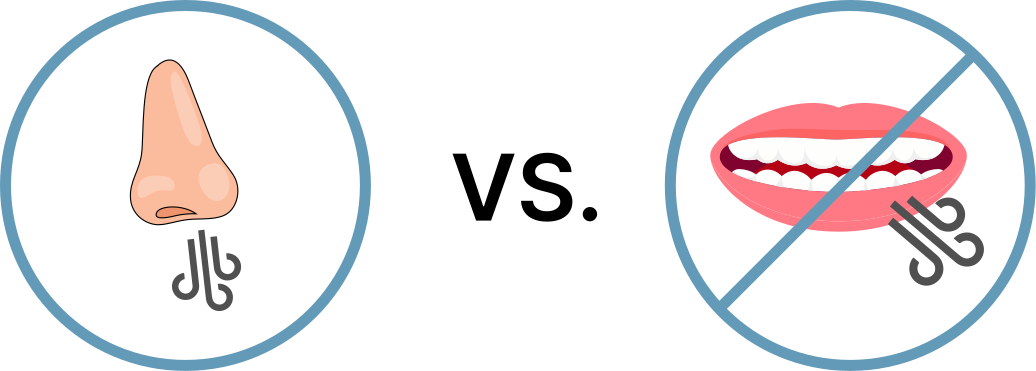
1. Nasal Breathing

Can your child breathe comfortably through their nose for several minutes at a time? Chronic mouth breathing in children can affect sleep quality and facial growth.
Mentalis strain icon

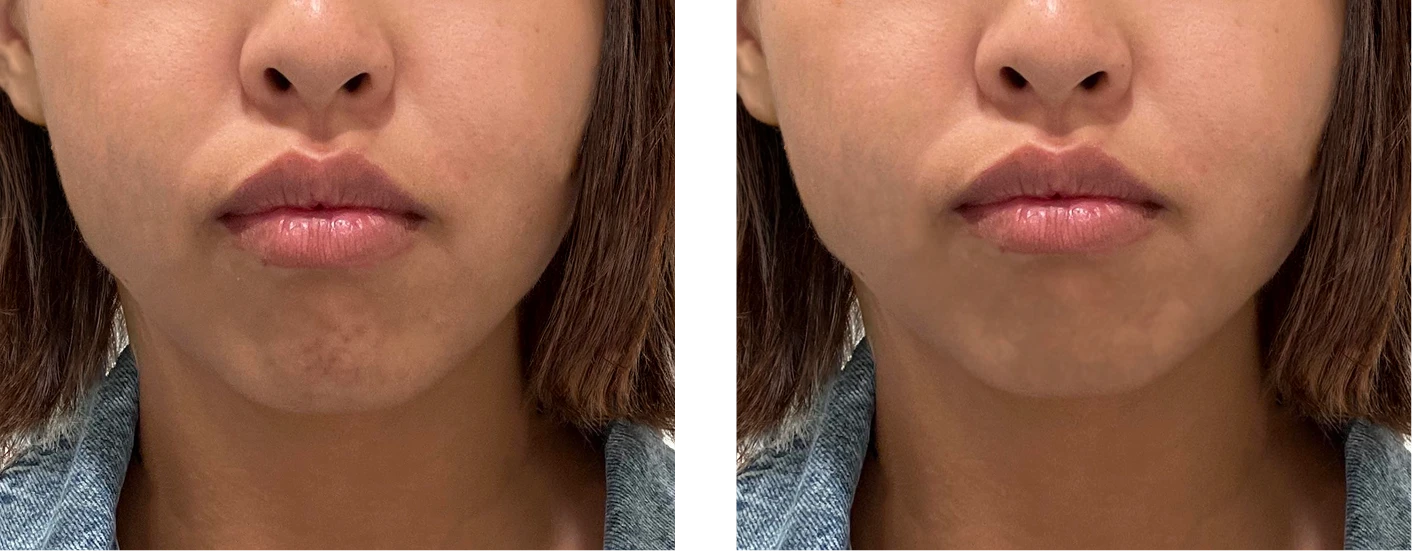
2. Mentalis Strain

Does your child need to strain the muscles of the chin to keep their lips closed? Lip incompetence may signal muscle imbalance or airway concerns.
Tonsil size icon

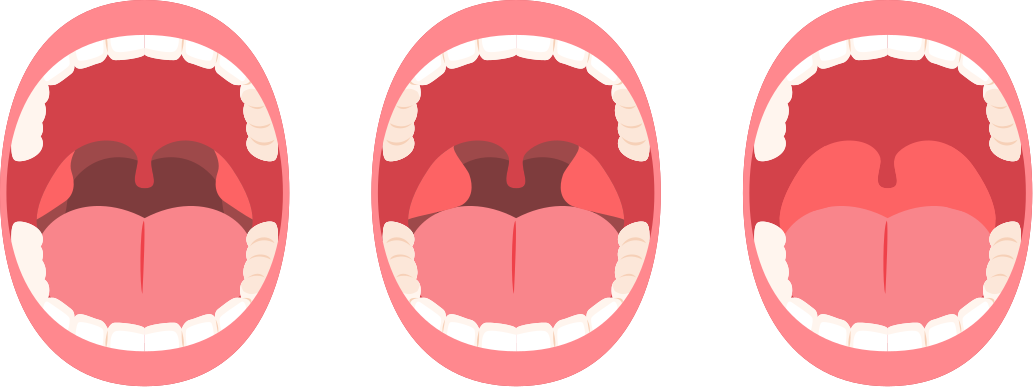
3. Tonsil Size

Enlarged tonsils can reduce space in the upper airway and create resistance to healthy nasal breathing.
Tongue restriction icon

4. Tongue Restriction

A tongue tie or limited tongue mobility can prevent the tongue from resting properly on the roof of the mouth, which plays an important role in jaw and airway development.
Grinding or bruxism icon

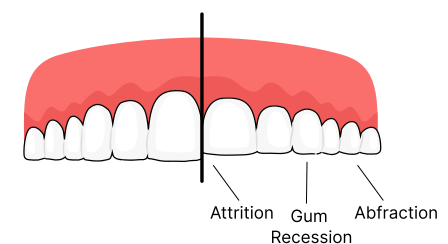
5. Grinding or Bruxism

Clenching or grinding may be associated with muscular tension or the body’s response to airway resistance during sleep.
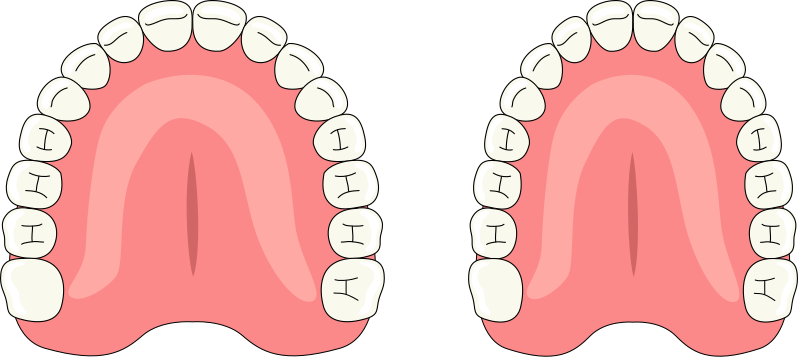
Narrow palate icon

6. Narrow Palate

A high or narrow palate can limit proper tongue posture and reduce available airway space.

Why Airway Screening Matters

Sleep disordered breathing in children is often overlooked because symptoms can appear subtle. Snoring, mouth breathing, restless sleep, difficulty focusing, and daytime fatigue may all be connected to airway concerns.

The presence of one or more red flags does not automatically mean your child has a sleep disorder. It simply tells us that a closer look may be helpful.

If appropriate, we may recommend collaboration with your pediatrician, an ENT specialist, myofunctional therapy, orthodontic growth guidance, or a sleep study when indicated.

Our goal is early identification and thoughtful guidance. When concerns are addressed early, children often experience improvements in sleep, behavior, focus, and overall well being.

Whole Child Pediatric Dentistry

At West U Pediatric Dentistry, we are committed to looking beyond the teeth. By incorporating the FairEST6 screening into routine exams, we support healthy breathing, healthy sleep, and healthy development for children in Houston and nearby communities.

If you have noticed snoring, mouth breathing, restless sleep, or teeth grinding, we encourage you to share that with our team at your next visit. We are here to guide you with clarity, compassion, and a whole child approach to care.